
In the modern corporate world, particularly within fast-paced hubs like Dubai and the wider UAE, high pressure is a constant reality. Executives and team leaders manage high-stakes goals, multicultural teams, and rapid market changes daily.
However, when pressure mounts, most communication mistakes happen automatically. We interrupt others, make quick assumptions, or react defensively to constructive criticism.
Throughout my experience as a translator, business consultant, and communication coach in Dubai, I have observed that technical communication techniques fail if they aren’t built on a foundation of self-awareness. This is why Awareness-Based Communication Coaching has become essential for sustainable leadership and workplace harmony.
What Is Awareness-Based Communication?
Traditional communication training often focuses solely on external tactics: what keywords to use, how to stand, or how to structure a presentation. While helpful, tactics alone don’t prevent emotional reactions during unexpected stress.
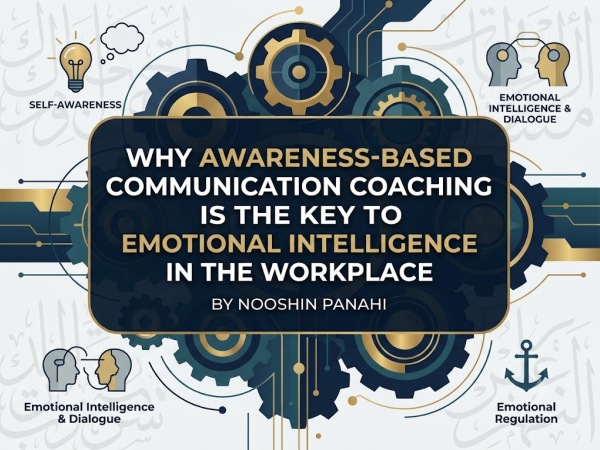
Awareness-Based Communication works from the inside out. It focuses on three core pillars:
- Self-Awareness: Recognizing your internal triggers, emotional state, and habitual speech patterns before you respond.
- Contextual Awareness: Reading non-verbal signals, group dynamics, and cultural nuances in the room.
- Intentionality: Pausing between a stimulus and your response to align your words with your long-term goals rather than short-term emotions.
When you bring awareness into your everyday conversations, you naturally develop high Emotional Intelligence (EQ)—the single most accurate predictor of professional success and effective leadership.

3 Ways Awareness-Based Coaching Elevates Your Workplace EQ
1. Mastering the Gap Between Trigger and Reaction
In tense negotiations or performance reviews, feeling defensive is natural. However, reacting from that feeling damages credibility. Awareness coaching trains your mind to notice the physical and emotional signs of frustration in real time. This micro-pause allows you to transition from an emotional reaction to a strategic, calm response.
2. Deepening Active Listening Beyond Words
Most people listen with the intent to reply, not to understand. Awareness-based coaching shifts your focus to total presence. You learn to listen not only to the words being spoken, but to the speaker’s tone, pacing, and underlying needs. This creates instant psychological safety for your colleagues and clients.
3. Understanding Your Personal Communication Style
Are you naturally assertive, passive-aggressive, or overly accommodating under stress? By identifying your baseline communication habit, you gain the power to adapt your style flexibly depending on whether you are negotiating with an investor or mentoring a junior team member.
Real-World Case Study: From Impulsive Reactions to Strategic Calm
Scenario: A senior operations manager at a Dubai-based tech firm felt constant frustration during weekly cross-functional meetings. Whenever deadlines were questioned, he immediately became defensive, leading to lengthy arguments and strained team relationships.
The Coaching Shift: In our 1:1 awareness-based coaching sessions, we mapped his specific emotional triggers. He practiced observational techniques to recognize his physiological stress signals before speaking.
Result: Instead of defending his team impulsively, he learned to acknowledge concerns calmly and ask clarifying questions. Within three weeks, meeting durations were reduced by 25%, and inter-departmental trust improved significantly.
Frequently Asked Questions (FAQ)
What is awareness-based communication coaching?
Awareness-based communication coaching focuses on developing internal self-awareness, emotional regulation, and active presence alongside external verbal skills to help professionals communicate with clarity and emotional intelligence.
How does emotional intelligence impact workplace leadership in Dubai?
In a diverse and fast-paced market like Dubai, leaders with high EQ build stronger cross-cultural relationships, resolve workplace conflicts faster, and retain top talent by fostering psychological safety.
Can awareness-based communication skills be learned in a short time?
Yes. While mastering EQ is a lifelong journey, structured framework practice, guided journaling, and real-life role-play can create noticeable behavioral changes within 2 to 4 weeks.
Shift from Automatic Talking to Conscious Connection
True workplace influence isn’t about speaking louder or dominating the room. It is about being fully present, emotionally regulated, and deeply aware of the impact your words have on others.
By cultivating awareness-based communication, you don’t just become a better speaker—you become a calm, influential, and emotionally intelligent leader.
Ready to Build Your Communication Awareness?
If you are ready to master emotional intelligence, break old communication habits, and lead with conscious impact, step into a personalized journey designed for ambitious professionals in the UAE.
Join my 1-Month Communication Life Coaching Program in Dubai to explore self-awareness frameworks, active listening habits, and emotional regulation tools in an interactive environment.
👉 Explore the 1-Month Communication Coaching Course & Reserve Your Spot Here